
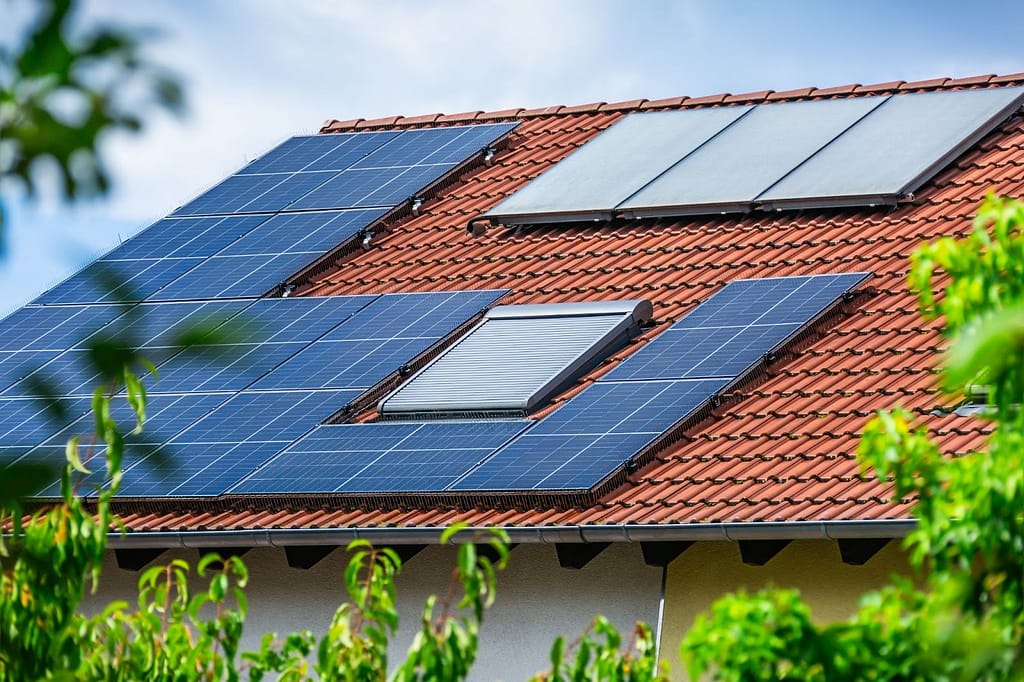
Can solar panels be installed on an older roof? Learn how roof age, condition, and material determine whether your roof can support a solar system and when replacing the roof first may be the smarter long-term investment.
Why Roof Age Matters Before Installing Solar
Solar panels can last 25–30 years. If your roof is close to the end of its life, you might end up removing and reinstalling the solar system later. That gets expensive, fast. Homeowners often think they can squeeze out a few more years, but once panels are mounted, you lose that flexibility. And if the roof is weak, worn, or sagging, it can’t handle the added weight. A structural issue under a solar array becomes a much bigger problem. Roofing issues need to be resolved before anything permanent goes on top.
A quick roof inspection clears things up. You’ll know what you’re working with before committing to a solar project.
How Roof Condition Affects Solar Installation
Age is one thing; condition is another. A 15-year-old roof that’s been taken care of might be fine. An 8-year-old roof in bad shape might not. Solar installers look for:
- Loose shingles
- Soft spots
- Curling edges
- Cracked flashing
- Signs of leaks
Any of these can cause problems down the road. Solar panels shield the surface beneath them, but they don’t fix the problems already there. If water gets in, it spreads under the array where no one sees it. Fixing a leak under solar panels means taking the panels off, repairing the roof, and then reinstalling everything. That’s why installers push for a solid roof before anything goes up.
How Roofing Material Changes Solar Compatibility
Not all roofing materials work the same with solar. While some roofs are straightforward, others are more challenging and may even require specialists.
Asphalt Shingles
This is the simplest roofing material for solar. Most systems install cleanly without complications. If the shingles are in decent shape, there’s usually no issue adding panels.
Metal Roofing
Metal works great with solar, especially standing-seam metal. Installers can attach panels using clamps instead of drilling into the roof. That means fewer penetrations and fewer long-term concerns.
Tile Roofing
Tile gets complicated because tiles break easily when walked on. Installers often remove tiles around the mounting hardware and replace them with flashing. If the roof is old or brittle, breakage is almost guaranteed. Many homeowners choose to re-roof first.
Flat Roofing
Flat roofs use ballasted or low-penetration systems, which work well. But older flat roofs are more prone to leaks. Age and condition matter even more here.
If you’re not sure what your roof can handle, a roofing inspection followed by a solar assessment gives you a straight answer.
Should You Replace the Roof Before Installing Solar?
Sometimes yes, and sometimes no. If your roof has 10–15 years left, you might be fine. But if it’s older, worn, or near the end of its lifespan, replacing it now is usually smarter. You avoid the cost of removing and reinstalling panels later, and your solar system gets a stable surface for decades. Homeowners who replace their roof and install solar at the same time often save money in the long run. They also get a cleaner installation and avoid patchwork repairs.
It’s not required. It’s just practical.
How Solar Installation Works on an Older Roof
Here’s what usually happens when a homeowner wants solar but has an aging roof:
- Inspection
A roofing professional checks the structure, the shingles, and the decking. If the roof is solid, solar can move forward. - Condition-Based Decision
If the roof is borderline, you’ll get two options: proceed now or replace first. The installer will show you the risks of moving forward with an older roof. - Material Check
Certain materials age differently. A tile roof with hairline cracks behaves differently from an asphalt roof with granule loss. - Load and Attachment Review
The team checks how many mounting points the system needs and whether the roof can handle the weight. - Solar Install
If everything checks out, the panels go on, and the system connects to your home.
This process keeps surprises to a minimum.
How to Tell If an Older Roof Is Still Solar-Ready
You don’t have to be an expert to spot a roof that’s nearing its end. Look for things like:
- Shingles losing granules
- Edges curling up
- Brittle or cracked shingles
- Water stains in the attic
- Sagging rooflines
- Soft or spongy spots
If you see any of these, solar may still be possible, but the roof repairs should come first. A stable surface gives you the best long-term results.
Why Homeowners Often Replace the Roof and Install Solar Together
Most people don’t want to do the same job twice. Removing and reinstalling solar panels can cost thousands. A new roof with a 25–30 year lifespan lines up perfectly with the lifespan of a solar system. You get one installation, one warranty, and one project timeline. Roofers and solar installers like this method because everything is aligned from the start. It prevents callbacks, failures, and unexpected repairs.
Final Thoughts
Solar can absolutely be installed on an older roof, but only if the roof can support it. Age, condition, and material all play big roles. If the roof is close to the end of its life, replacing it first saves money and headaches later. If you’re thinking about solar, start with a roofing inspection from American Home Contractors. It sets you up for a safe, clean installation that lasts for decades.
Fact checked by Lisa Musser on 12/10/2025
