
Electric bills seem to climb every year, and for many homeowners, solar starts to look like an easy solution. But paying tens of thousands upfront to own panels isn’t in the budget for everyone. That’s where a solar PPA might be a viable choice.
A Solar Power Purchase Agreement lets you reap the benefits of solar with little to no initial cost by purchasing the electricity the system produces, instead of buying the panels themselves.
It sounds like an easy choice, but the real question is whether this kind of deal actually saves you money in the long-term, compared to owning the system outright. In this post, we’ll explain how a solar PPA works, how the savings are structured, and when this option makes sense for you as a homeowner.
What Is a Solar Power Purchase Agreement?
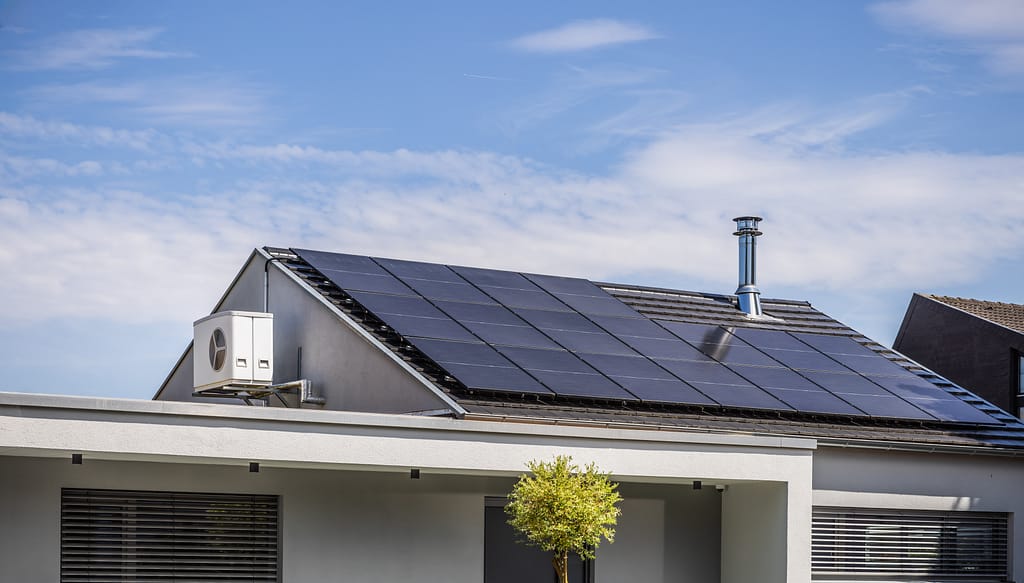
A Solar Power Purchase Agreement, or PPA, is a contract between you and a solar company where they install, own, and maintain the solar panels on your home. You don’t buy the system. Instead, you agree to purchase the electricity it produces at a set price per kilowatt-hour, usually lower than what your utility charges. Under federal law, utilities must purchase power from qualifying solar facilities like those in PPAs, ensuring these homeowner arrangements have a solid legal foundation.
These agreements typically run 20 to 25 years to make going solar accessible to more homeowners without a big upfront investment. The solar company handles everything: system design, permits, financing, installation, monitoring, and maintenance. Your only responsibility is paying for the power the system generates.
PPAs usually come in two formats. With a monthly PPA, you pay for the exact amount of solar energy produced each month at the agreed-upon per-kWh rate. With a prepaid PPA, you pay a lump sum upfront for years of projected solar production in exchange for a bigger discount on electricity.
Here’s a simple example. If your PPA rate is $0.10 per kWh and your utility charges $0.15 per kWh, that price gap creates real savings. On a typical home using about 1,000 kWh a month, that difference can translate to roughly $50 in monthly savings, starting from day one.
How a Solar PPA Saves You Money
A solar PPA can lower your electric bill now, not in the future. Because the per-kilowatt-hour rate is usually lower than your utility’s price, many homeowners see savings of about 10–30% starting with their first bill. You’re still connected to the grid, but a large portion of your power now comes from cheaper solar energy instead of higher-priced utility electricity.
Another key advantage is rate stability. Utility prices keep rising, and annual increases often land in the 3–5% range. A PPA locks in your solar rate or limits how much it can increase each year, which helps protect you from future bill spikes and makes your monthly costs more predictable.
You also save on maintenance costs. Since the solar company owns the system, they’re responsible for monitoring, repairs, and solving performance issues. That means no surprise repair bills or replacement costs coming out of your pocket.
Quick savings tip:
Monthly savings ≈ System output × (utility rate – PPA rate)
The real savings come from the gap between PPA costs and what the utility company charges.
Pros of PPAs
One of the biggest benefits of a solar PPA is the ability to go solar with little to no upfront cost. You don’t have to drain your savings or take out a loan to get panels installed, which makes solar accessible to more homeowners.
PPAs also offer predictable electric costs. Your solar rate is locked in for decades or increases only slightly, making it easier to budget compared to utility bills that can jump unexpectedly.
Another advantage is convenience. The solar company monitors system performance and handles repairs, maintenance, and equipment issues, so you don’t have to worry about upkeep or surprise expenses.
PPAs are easy to start. After approval, panels can be installed in just a few weeks, and many homeowners see savings on their very first electric bill.
Cons of Solar PPAs
The biggest drawback of a solar PPA is lower total savings over time. Because you don’t own the system, you miss out on federal tax credits, incentives, and years of nearly free power after a system would have paid itself off.
PPAs also come with long commitments. Contracts often last 20 to 25 years, and selling your home can get complicated if a buyer doesn’t want to assume the agreement or the PPA rate is no longer competitive.
Many PPAs include annual escalator clauses, commonly around 2–3%, which can shrink savings if utility rates rise more slowly than expected.
Finally, a PPA typically does not add value to your home and can make some buyers hesitant, especially compared to owned solar systems.
When is a PPA The Right Choice?
A PPA can be a good fit if you want lower electric bills without taking on debt or upfront costs. For homeowners who prefer a hands-off setup, don’t want to deal with maintenance, or can’t easily use tax credits because of their income or tax situation, it might work well. It can also make sense if you expect to move within the next several years and want short-term savings without financing a system.
It may not be the best choice if you plan to stay in your home for 10 years or more, want the highest possible long-term savings, or qualify for the 30% federal solar tax credit. Strong sunlight and rising utility rates can make PPAs appealing for short-term bill relief, but owning a system usually delivers greater long-term savings.
FAQs
Can I cancel a PPA?
Yes, you can cancel, but it’s not easy. Most contracts include hefty cancellation fees or require you to buy out the system to end early.
What if the panels underperform?
Reputable agreements only charge for the electricity actually produced. If production drops, your bills go down too.
Will a PPA affect my roof?
The solar company handles installation and removal, and any damage caused during those processes is their responsibility.
How does a PPA differ from a solar lease?
They’re similar, but a PPA ties your payment to actual system output, while a lease usually charges a fixed monthly rate regardless of production.
Final Tips Before Signing
A solar PPA can be a smart way to start saving on your electric bills right away, especially if you want to go solar without a big upfront investment or the hassle of system maintenance. At American Home Contractors, we recommend shopping at least three PPA quotes, comparing the rates to local utility trends, reading any escalator clauses carefully, and consulting a solar advisor to make sure the system fits your roof and energy needs. Following these steps can help you lock in real savings and enjoy the benefits of solar power without ever owning the panels yourself.
If you’re ready to explore your options, contact us today. We can help you understand the different solar solutions available and help you choose the best one for your home and energy goals.
Fact Checked by Lisa Musser on 01/28/26.
